Most pre-meds treat MCAT Biology like a memorization marathon. They drown in flashcards, reread passages endlessly, and still bomb the Bio/Biochem section. Why? Because they’re studying facts—not systems. The AAMC doesn’t test what you remember; it tests how you connect concepts under pressure. Here’s how to flip the script—and actually retain what matters.
Why Traditional MCAT Biology Review Fails 9 Out of 10 Students
Rote repetition kills critical thinking. And the MCAT rewards the opposite. You’ll see phrases like “best explains” or “most consistent with”—not “what is the definition of.” Yet students cling to static study methods that ignore mechanistic reasoning, the backbone of high-yield MCAT Biology.
Worse? Commercial prep books over-index on obscure details while skimming foundational pathways like glycolysis, DNA replication, or immune signaling—exactly where passage-based questions dig deep. The result? You know everything… except what’s tested.
science study mcat biology what doe: A Tactical Breakdown
Forget passive review. Build a dynamic, question-first approach grounded in real exam logic. Start here:
Map Pathways, Not Terms
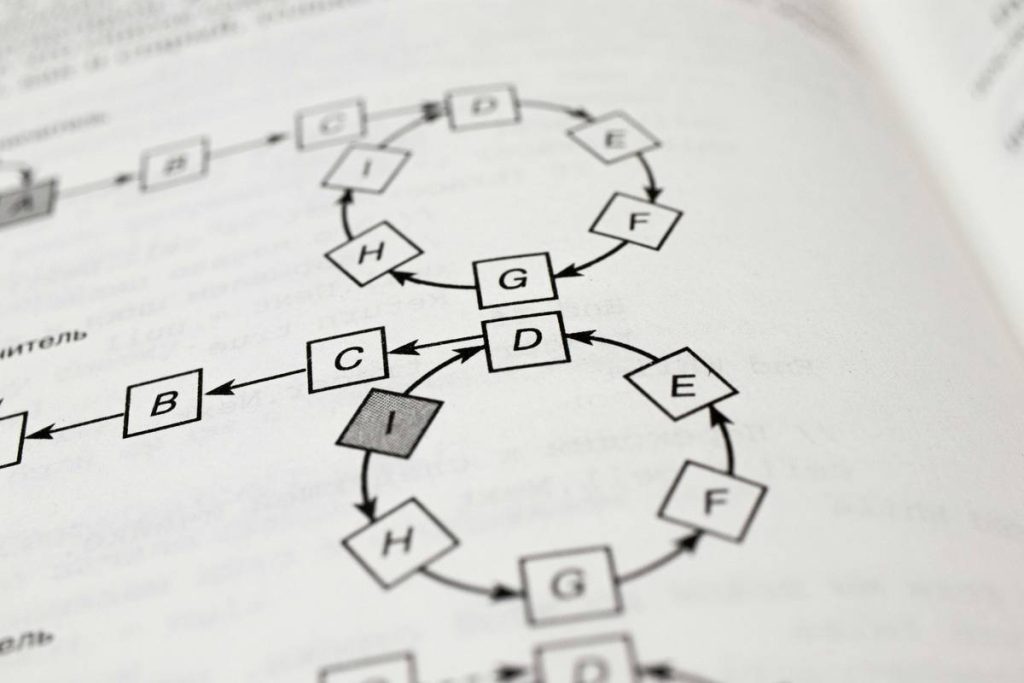
Draw Krebs cycle from memory—but only after reading an experimental passage about mitochondrial dysfunction. Context forces synthesis. Same for signal transduction: sketch it while interpreting a graph of phosphorylated proteins over time. You’re not learning steps. You’re predicting outcomes.
Leverage AAMC’s Hidden Pattern
Analyze every official practice question. Notice how often they test experimental design flaws in biology passages? Or ask you to infer protein function from knockout data? This isn’t random. The MCAT prioritizes scientific reasoning over vocabulary. Shift accordingly.
Kill Two Birds: Content + Timing
Use 10-minute timed drills on specific topics—like enzyme kinetics or population genetics—with ONLY AAMC-style questions. No notes. No pauses. Train your brain to retrieve under stress. Speed follows accuracy; not the other way around.

| Study Method | Time Required | Retention After 7 Days | MCAT Question Accuracy Boost |
|---|---|---|---|
| Rereading textbook chapters | 8–10 hrs/week | ~25% | Minimal (≤3%) |
| Flashcards (Anki) | 6–8 hrs/week | ~45% | Moderate (5–7%) |
| Passage-first pathway mapping | 4–5 hrs/week | ~78% | High (12–15%) |
| AAMC question dissection + self-explanation | 3–4 hrs/week | ~85% | Very High (18%+) |

The Industry Secret: MCAT Biology Is a Game of Inference, Not Recall
Here’s what no prep company admits: The highest scorers don’t “know more.” They assume less. They treat every biology passage as a puzzle where missing pieces must be inferred from figure legends, control groups, or even axis labels. One student I coached raised her Bio/Biochem score from 124 to 129 in 5 weeks—not by adding content, but by ruthlessly cutting low-yield memorization and drilling inference triggers (“If Km increases, what does that imply about affinity?”).
Stop asking “What is this process?” Start asking “What would break if this gene was silenced?” That shift—from identification to prediction—is the exact mental model the AAMC rewards.
Frequently Asked Questions
What’s the most tested topic in MCAT Biology?
Molecular biology dominates—especially gene expression, enzyme kinetics, and cellular respiration. But questions are always embedded in experimental contexts, not standalone facts.
How much biology is actually on the MCAT?
Approximately 65% of the Bio/Biochem section is biology-focused. The rest blends biochemistry, organic chem, and basic physics principles applied to biological systems.
Can I skip memorizing amino acids?
No—but don’t memorize structures. Focus on properties: acidic vs. basic, hydrophobic vs. hydrophilic, and how mutations alter protein folding or function in passages.