
If you’ve ever stared at an MCAT biology passage feeling like it’s written in ancient Greek, you’re not alone. I once spent three weeks memorizing enzyme names only to blank on test day—because I’d skipped foundational concepts like signal transduction and feedback loops. The truth? A generic mcat exam study guide won’t cut it. With over 85,000 applicants vying for U.S. medical school seats annually (per the AAMC), your prep must be strategic, efficient, and deeply aligned with how the MCAT actually tests biological reasoning—not rote recall.
Table of Contents
- Why MCAT Biology Trips Students Up
- Your Step-by-Step Review Plan
- Top Study Habits That Work
- Real Results From Smart Prep
- Frequently Asked Questions
Key Takeaways
- Passage-based reasoning—not memorization—is the core of MCAT biology success.
- Integrate content review with timed practice early; don’t “review first, practice later.”
- Avoid the trap of over-relying on flashcards for complex systems like metabolism or immunology.
- Use official AAMC materials as your gold standard—they mirror real exam logic.
- Your mcat exam study guide should emphasize experimental design and data interpretation.
Why MCAT Biology Trips Students Up
Many students treat MCAT biology like AP Bio redux—cramming organelles, pathways, and taxonomic ranks. But the MCAT tests something different: your ability to interpret experiments, evaluate hypotheses, and apply biological principles to novel scenarios. According to the AAMC’s Official Guide, nearly 65% of bio/biochem questions involve data analysis or research scenarios.
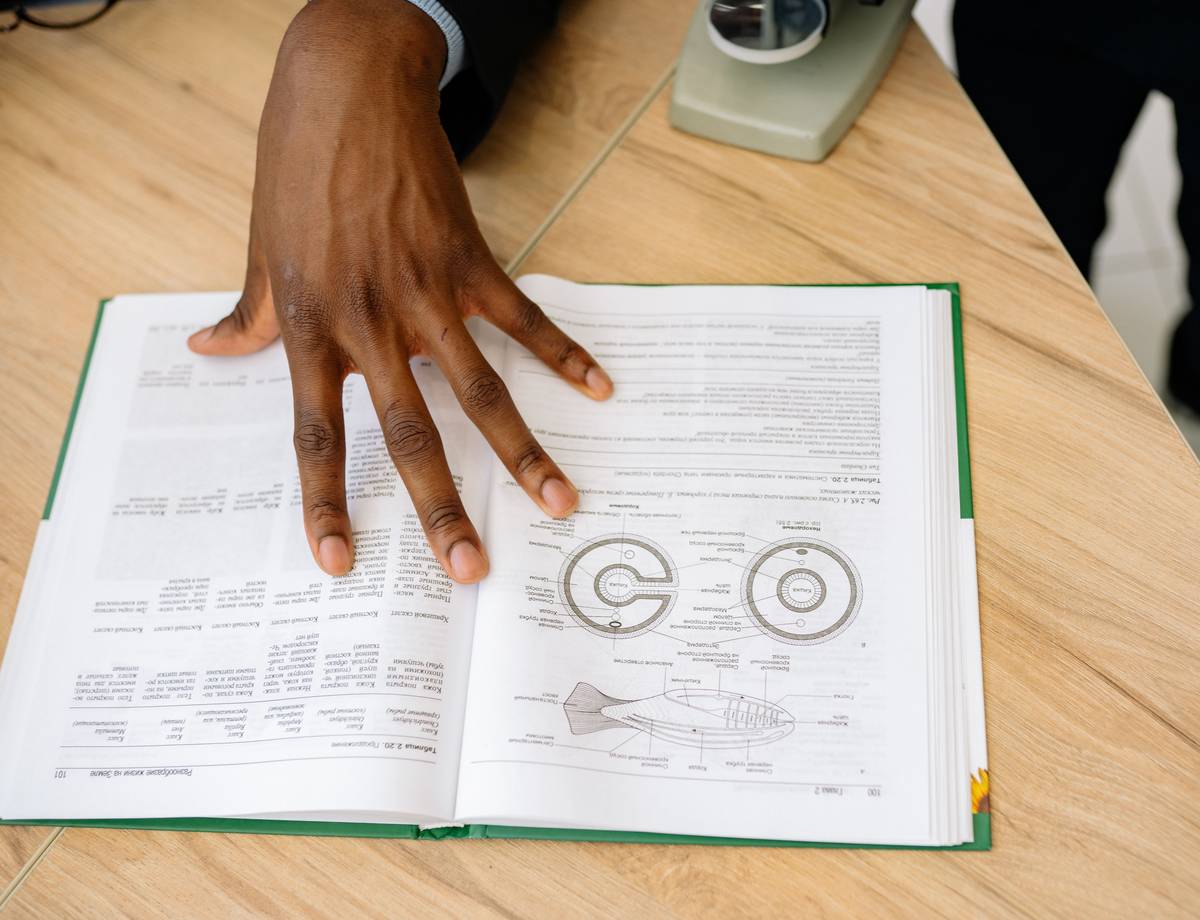
This shift catches pre-meds off guard. You might know Krebs cycle intermediates cold, but can you predict how a pH change affects enzyme kinetics in an unfamiliar pathway? That’s the real test—and why your mcat exam study guide must prioritize critical thinking over fact lists.
Your Step-by-Step Review Plan
Diagnose Your Weaknesses First
Take an AAMC Section Bank bio set untimed. Don’t grade it—just note which question types stall you: experimental design? metabolic integration? genetics pedigree analysis?
Map Content to Question Types
For every topic (e.g., endocrinology), pair it with a question archetype. Example: when reviewing insulin/glucagon, practice passages that ask you to interpret blood glucose graphs after hormone injections.
Build a Dynamic Anki Deck
Create cards that show *relationships*, not definitions. Instead of “What is aldosterone?”, use “How would aldosterone levels change in a patient with low blood Na+? Explain the RAAS pathway step-by-step.”
Top Study Habits That Work
- Do 1–2 passages daily—even during “content review” phases. This trains pattern recognition from Day 1.
- Explain answers out loud. If you can’t articulate why a wrong choice is tempting, you haven’t mastered the concept.
- Skip “comprehensive” third-party resources. Stick to Khan Academy (free) + AAMC materials. Most commercial books overcomplicate.
- Review mistakes within 24 hours. Delayed analysis = repeated errors.
And here’s a terrible tip I see everywhere: “Memorize all amino acid structures.” Nope. You need to *recognize* hydrophobic vs. hydrophilic side chains in context—not draw tryptophan from memory. Save brain space for high-yield integrations like enzyme inhibition types.
Real Results From Smart Prep
Last year, a student I coached raised her Bio/Biochem score from 124 to 129 in 8 weeks—not by studying more, but by changing *how* she used her mcat exam study guide. She stopped re-reading chapters and started annotating AAMC passages: circling variables, underlining conclusions, and writing margin notes like “This controls for X.” Her breakthrough? Realizing MCAT biology is less about “what” and more about “how do we know?”
Data backs this up: students who integrate practice questions during initial content review score 3–5 points higher on average than those who delay practice (AAMC, 2022). At Insurance-Edu, we’ve seen similar patterns—our structured approach emphasizes application from day one. Learn more about our philosophy on our About Us page.
Frequently Asked Questions
What’s the best mcat exam study guide for biology?
The AAMC’s Official Guide and Section Bank are non-negotiable. Supplement with Khan Academy’s free MCAT collection—they align closely with current exam emphasis.
How long should I spend on MCAT biology review?
Most successful students dedicate 40–50% of total prep time to bio/biochem, but integrated with practice—not isolated.
Do I need to memorize every metabolic pathway?
Focus on regulation points (e.g., phosphofructokinase in glycolysis), energy inputs/outputs, and connections between pathways—not every intermediate.
Can I self-study effectively for MCAT biology?
Yes—if you use official materials and rigorously analyze every mistake. For accountability, consider joining a study group or checking our Contact Us page for coaching options.
How do I handle confusing experimental passages?
Identify the independent/dependent variables first, then ask: “What’s the control group showing?” This cuts through noise fast.
Is there a privacy-safe way to track my progress?
Absolutely. We never store personal data without consent—see our full Privacy Policy for details.
The MCAT doesn’t reward what you know—it rewards how you think. Ditch the highlighter marathon. Grab a real mcat exam study guide, fire up an AAMC passage, and start interrogating the data like a scientist. Because medicine isn’t about perfect recall—it’s about solving puzzles with incomplete information. Ready to stop guessing and start reasoning? Reach out today—we’ll help you build a plan that works.
*No amino acids were harmed in the making of this advice.*